
Endodontic Surgery Chino, CA
In some cases, patients may have an issue with a tooth that may not be apparent at a glance or even in an X-ray. A non-surgical root canal cannot access various cases like calcium deposits or root issues. In these cases, endodontic surgery may be the ideal solution.
At All About Smile Dental Group in Chino, we provide endodontic surgery services to those in the local and surrounding area. We can help patients maintain their oral and overall health. We will guide clients through the process, answer any questions they may have, and ensure they receive the care they need.
The various applications and benefits of endodontic surgery can improve the functionality and overall health of the mouth. Call our office at (909) 259-3141 to make an appointment and learn more.
Understanding Endodontic Surgery
When a patient's tooth has become badly decayed or infected, they may need to undergo a root canal to salvage the tooth. According to WebMD, most root canals are successful; however, several complications may emerge that require moving onto endodontic surgery. Endodontic surgery may refer to any surgery that attempts to salvage a patient's tooth after non-surgical options have failed or are not available. This can help prevent the need for tooth extraction and replacement.
“Endodontic surgery may refer to any surgery that attempts to salvage a patient’s tooth after non-surgical options have failed or are not available.”
When to Get Endodontic Surgery
Several different situations may require endodontic surgery. Here are some of the most comon:
Calcification
Sometimes, non-surgical root canal procedures are not an option due to excessively narrow canals in the teeth. This happens when calcium deposits make it impossible for the non-surgical instruments to reach the end of the root. In such cases, endodontic surgery is necessary to clean and seal the remainder of the canal.
Damage
Often, damage to the root surfaces or surrounding bone cannot be adequately treated with non-surgical solutions. Endodontic surgery can remove the necrotic or damaged pulp of the tooth.
Diagnosis
Patients who have persistent symptoms of discomfort may undergo X-rays and other forms of non-surgical treatment to try to identify the problem. Because endodontic surgery examines the entire root, it can help identify tiny fractures or canals that can go otherwise undetected.
Retreatment
Root canals are usually complication-free; however, a tooth may become painful or diseased months to years after treatment. Endodontic surgery can address such matters of improper healing or infection.
According to the American Association of Endodontists, there are many different types of endodontic surgery. Apicoectomy, a procedure that removes the tip of the root, is the most common. Other procedures include dividing a tooth in half, repairing an injured root, and removing one or more roots.
“Endodontic surgery can remove the necrotic or damaged pulp of the tooth.”
Preparing for Endodontic Surgery
Every endodontic surgery begins with an initial consultation with a dentist.The dentist may be able to perform a comprehensive exam to determine if a patient should consider endodontic surgery. Maintaining an open and honest dialogue with the dental professional is key to preparing for endodontic surgery. Patients should be forthcoming about any prescription medications, vitamins, over-the-counter drugs, and supplements that they are taking.
Any of these products may influence the progression of the surgery. Furthermore, the dentist may need to consult with the patient's primary care physician if the patient is undergoing treatment for other medical conditions. All of these factors are key in preparing the ideal treatment plan for each patient.
“The dentist may be able to perform a comprehensive exam to determine if a patient should consider endodontic surgery.”
Check out what others are saying about our dental services on Yelp: Endodontic Surgery in Chino, CA
What to Know About Endodontic Surgery
Knowing what to expect from an endodontic surgery can better prepare patients for the procedure. Patients can rest easy knowing that modern technologies such as digital imaging and operating microscopes allow endodontic surgeons to work more quickly and successfully than ever before.
Before endodontic surgery, the surgeon will inject a local anesthetic in the patient's gums. An apicoectomy, also known as a root-end resection, is the most well-known type of endodontic surgery. During this procedure, the surgeon will open the gum tissue near the tooth to expose the underlying bone. At this point, the surgeon will remove any inflamed or infected tissue, along with the end of the root.
“Patients can rest easy knowing that modern technologies such as digital imaging and operating microscopes allow endodontic surgeons to work more quickly and successfully than ever before.”
Questions Answered on This Page
Q. What is endodontic surgery?
Q. Do I need endodontic surgery?
Q. How can I prepare for endodontic surgery?
Q. What can I expect during endodontic surgery?
Q. What is it like to recover from endodontic surgery?
People Also Ask
Q. What is the difference between endodontists and dentists?
Q. Do I need a tooth extraction?
Q. What are the benefits of a root canal?
Recovering After Endodontic Surgery
Toward the end of the procedure, some patients may receive a small filling to seal the end of the root canal. They may also require some stitches or sutures to assist in tissue healing. The bone in the surrounding area of the root will continue to heal over the next few months. Most patients can return to normal activities as soon as one day after surgery, and any post-surgical discomfort tends to be mild and easily manageable.
“Most patients can return to normal activities as soon as one day after surgery, and any post-surgical discomfort tends to be mild and easily manageable.”
Frequently Asked Questions
Q. Why would I need endodontic surgery?
A. Endodontic surgery is an effective treatment option for several tooth issues. It can help with diagnoses, damage from a failed root canal, calcium deposits, small cracks, and issues with the root surface. If someone is experiencing any of these problems, endodontic surgery may be able to save their tooth.
Q. What is involved in the endodontic surgery process?
A. A patient receiving this treatment will first go through a pre-surgery consultation, where the dentist will assess their situation and give them some preparatory guidelines. On the day of the surgery, the dentist will prepare the patient and perform the procedure. After this, the staff may take some X-rays and will likely provide some post-surgery care instructions.
Q. What is a root canal?
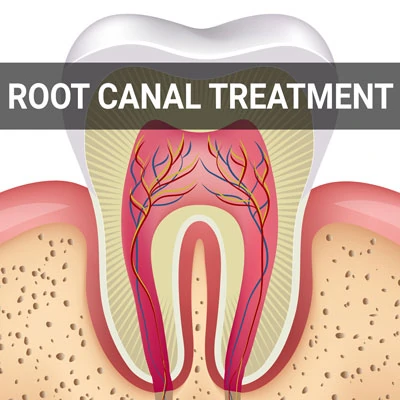
A. A root canal is a relatively common type of endodontic procedure that removes infected or inflamed pulp within the tooth. A dentist accesses the tooth from the crown to remove the affected tissue, then cleans, shapes, and seals it. Typically, dentists will also place a crown on the tooth as a final step to the procedure.
Q. What is an apicoectomy?
A. An apicoectomy is an endodontic procedure that involves the removal of inflamed or infected tissue in the area surrounding the root. Although the process is similar to a root canal, it is different in that it deals with the area near the base of the root rather than the crown of the tooth. Additionally, an apicoectomy can help treat a failed nonsurgical root canal.
Q. How do I know if I need endodontic surgery?
A. There are various oral symptoms that may suggest a patient needs endodontic surgery. These can include sensitivity, continuous pain, pain when touched, sudden discoloration, and a bump or redness on part of the gums. These may or may not be indicators that require endodontic treatment, so it is advised that people experiencing symptoms first contact their dentist for an assessment.

Scan here to view this page, Endodontic Surgery, on mobile

Endodontic Terminology
Learn More Today
Endodontic surgery can vastly improve many patients' overall dental health. At All About Smile Dental Group, we can help figure out the best treatment plan for you. Call us today at (909) 259-3141 to schedule an appointment.
Helpful Related Links
- American Dental Association (ADA). Glossary of Dental Clinical Terms. 2026
- American Academy of Cosmetic Dentistry® (AACD). Home Page. 2026
- WebMD. WebMD’s Oral Care Guide. 2026
About our business and website security
- All About Smile Dental Group was established in 2016.
- We accept the following payment methods: American Express, Cash, MasterCard, and Visa
- We serve patients from the following counties: San Bernardino County, Riverside County and Orange County
- We serve patients from the following cities: Chino, Chino Hills, Diamond Bar, Anaheim Hills, Pomona, Ontario, Montclair, Claremont, La Verne, Eastvale, Norco, and Corona
- Norton Safe Web. View Details
- Trend Micro Site Safety Center. View Details

Scan here to open directions to All About Smile Dental Group on mobile
Back to top of Endodontic Surgery
Related Posts

How A Cosmetic Dentist Can Restore Your Smile
Going to a cosmetic dentist to renew your smile can help you reach your smile goals. A thorough evaluation will come first. The assessment will determine which treatment or treatments will help you the most. Here are the details on how your cosmetic dentist can restore your smile.Teeth may have uneven spaces between them. They…

Implant Restoration Options From A General Dentist
A general dentist completes dental implant plans by attaching a custom restoration that looks and feels like a natural tooth. This visible part of the process is what truly brings a smile back to life after tooth loss occurs. While the groundwork happens below the surface, the restoration handles the daily tasks of chewing and…

What Should I Do If I Damage My Dental Veneers?
Accidents happen, and even durable dental veneers can chip or crack. While porcelain is strong, it is not invincible. If you damage your restoration, stay calm. Most issues with veneers have a straightforward fix. Here is what you should do if you damage your veneers.Many factors lead to a broken or loose veneer. While some…

Full Mouth Reconstruction Vs. Smile Makeover
Understanding the core distinctions between a full mouth reconstruction and a standard smile makeover also helps individuals see how general dentists select the most appropriate dental procedure for their unique oral health needs. While both services significantly enhance your smile, the underlying clinical goals remain entirely distinct. Our dentist evaluates patients to determine whether they…
Explore additional topics covered on our website:
Call Us Today

Scan here to call All About Smile Dental Group on mobile
